
Southend & Dunaverty: The Wild End of Kintyre
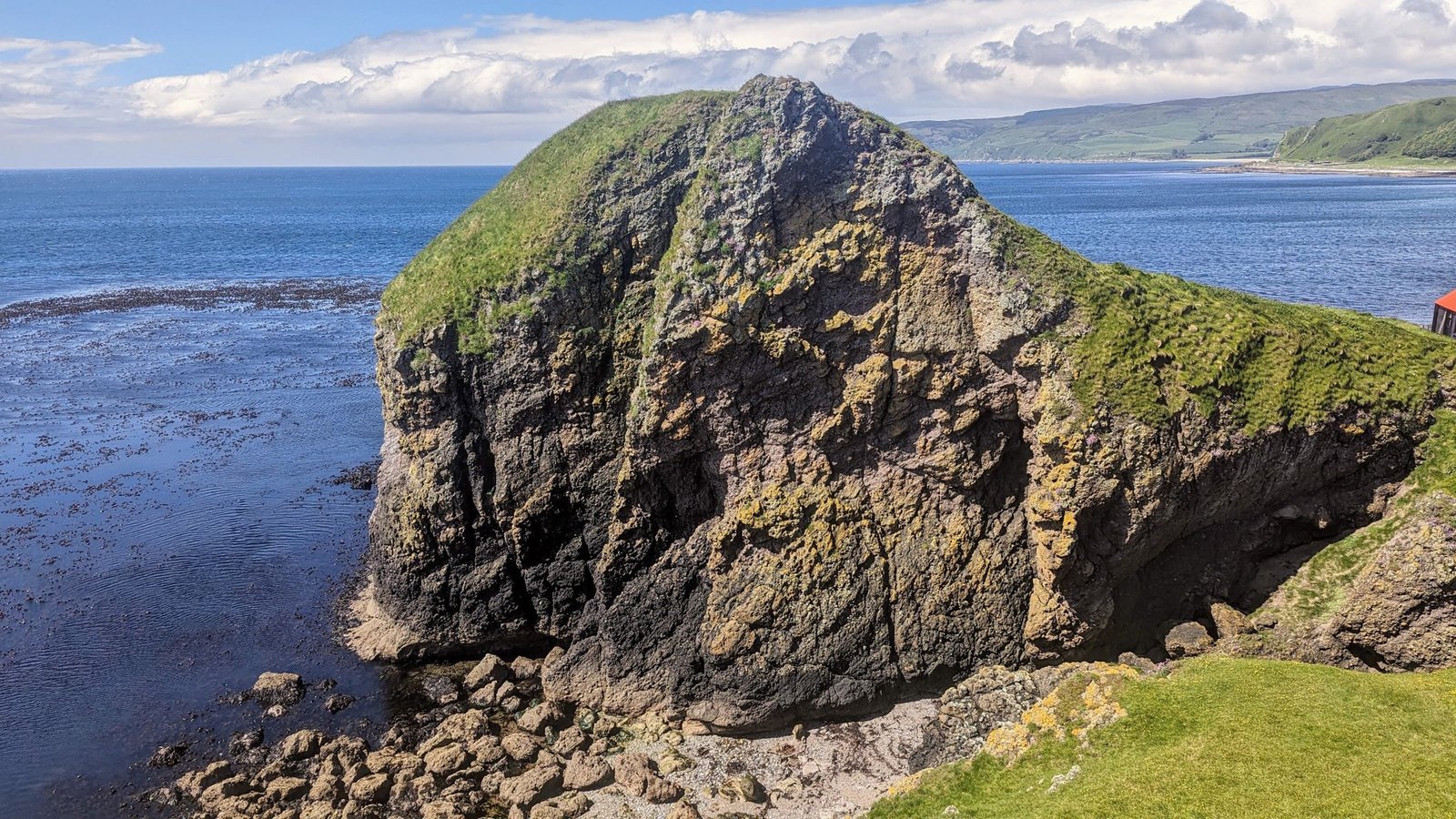
Overview — the road runs out, beautifully
Right at the southern tip of the Kintyre peninsula, where the road finally runs out, sits Southend — a quiet village with a huge sweep of sandy beach, the dramatic Dunaverty Rock, deep history, and views across to Sanda Island and the Antrim coast of Northern Ireland. It’s about as far as you can drive down this arm of Argyll, and it rewards the effort. We loved it here — we stayed around four nights, parked for free right by the beach, and spent the days walking the sands and the hill above the village.
Where it is (and where on the route)
Southend is at the end of the B842, about 10 miles south of Campbeltown — the far south of Stage 5 (Kintyre) on the Argyll Coastal Route. It’s the same corner as Keil & St Columba’s (just to the west), and a natural pairing with it.
Dunaverty Rock & the 1647 massacre (sourced)
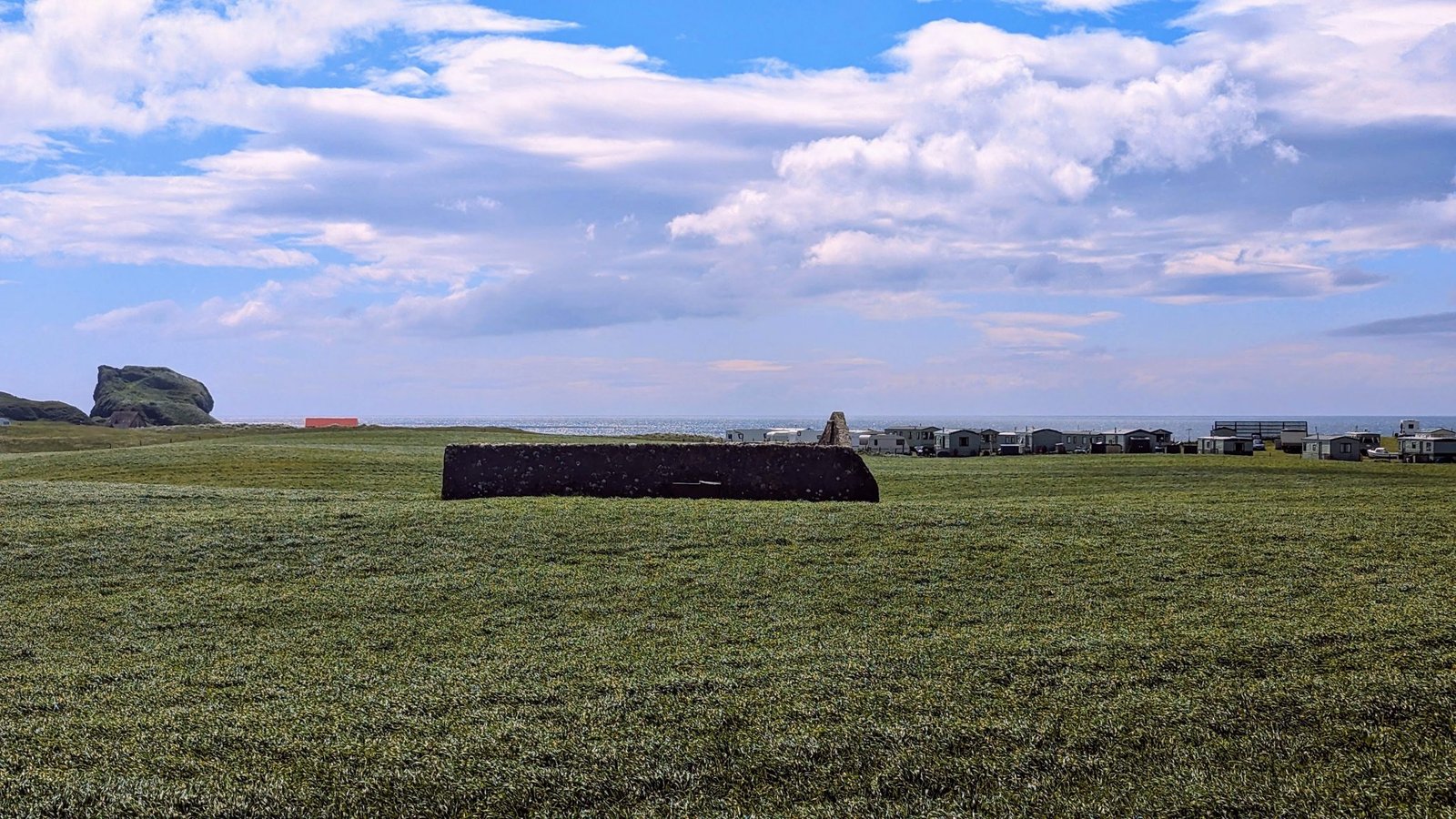
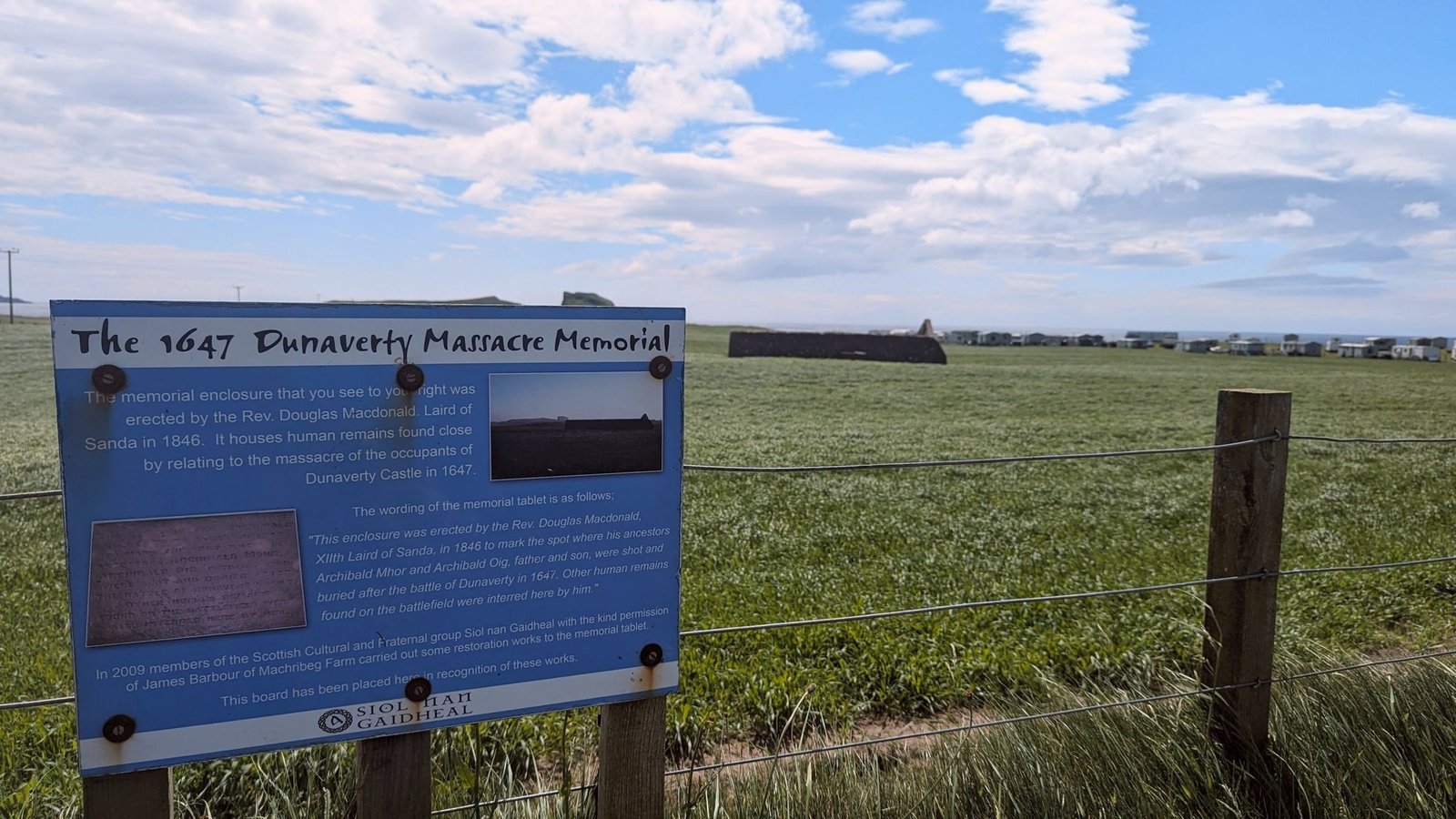
The great grassy sea-stack of Dunaverty Rock was once the site of Dunaverty Castle, a stronghold of the MacDonalds guarding the approaches to Kintyre. Its darkest chapter came in 1647: during the Wars of the Three Kingdoms, a Royalist garrison here was besieged by Covenanter forces under General David Leslie, and after surrendering, some 300 defenders were massacred — remembered today by the 1647 Dunaverty Massacre Memorial in the field below (there’s an interpretation board that tells the story). It’s a beautiful, poignant place. (History summarised from the on-site memorial board — Kevin, happy with this framing?)
The beaches & the walks
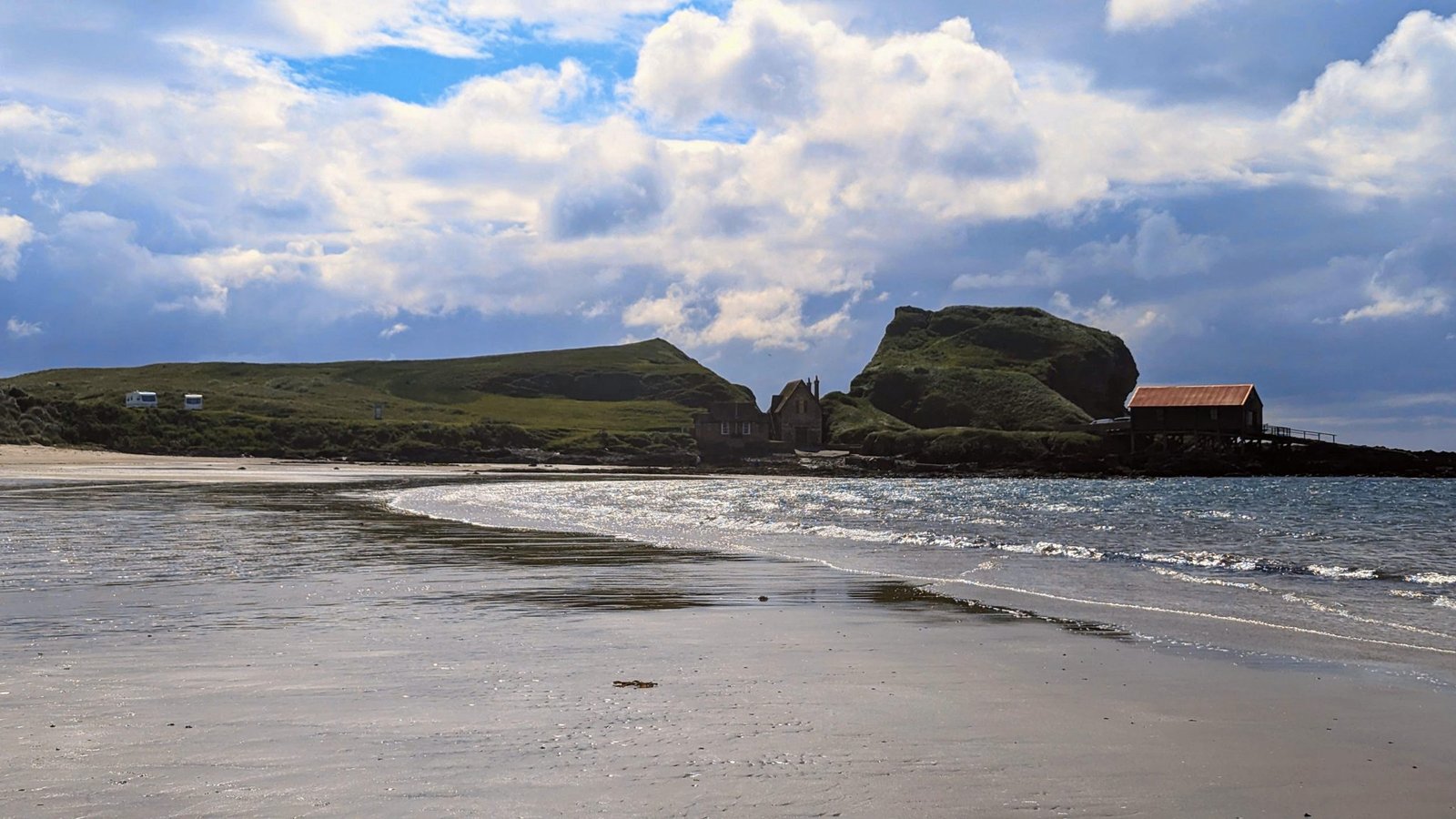
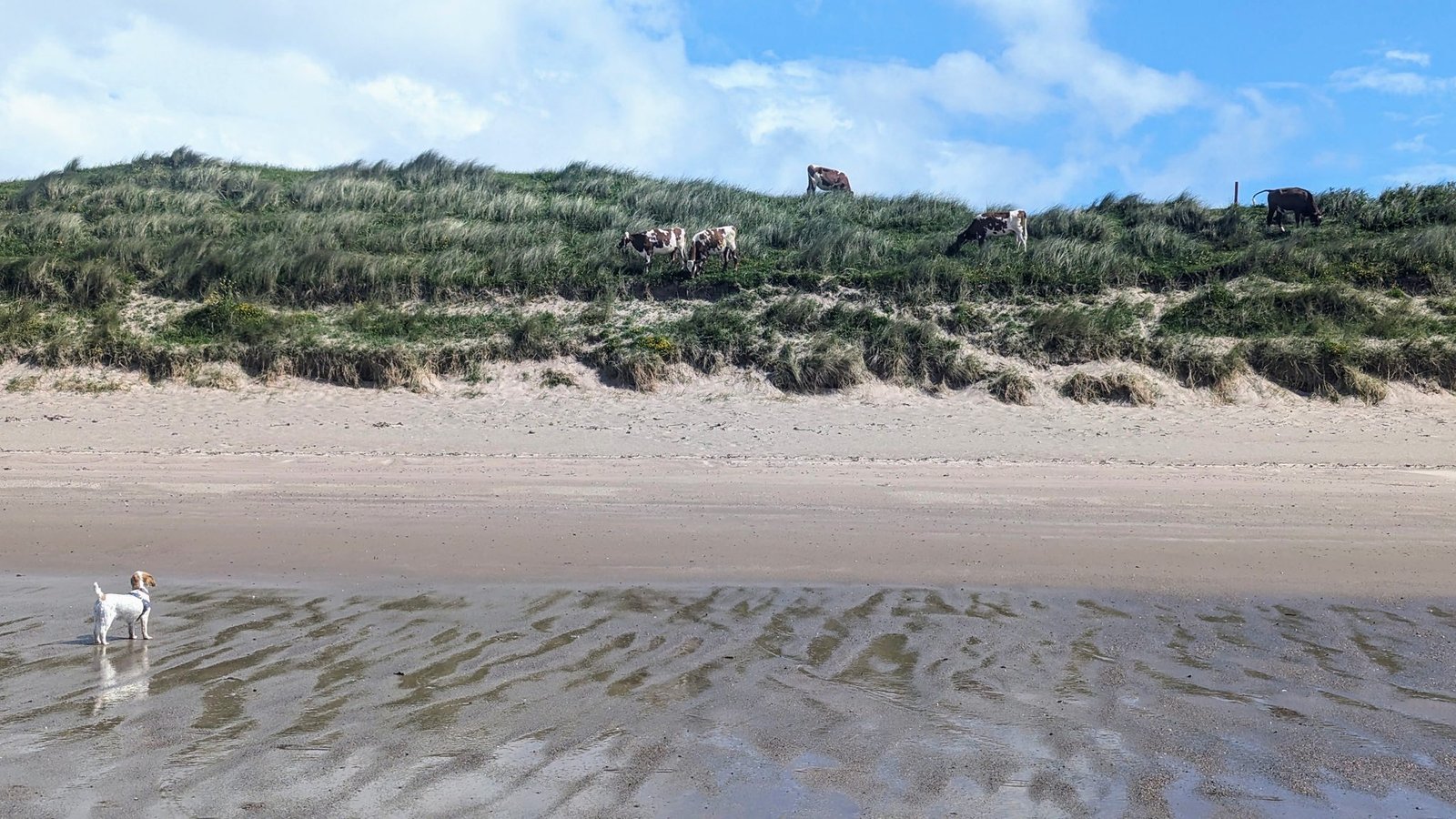
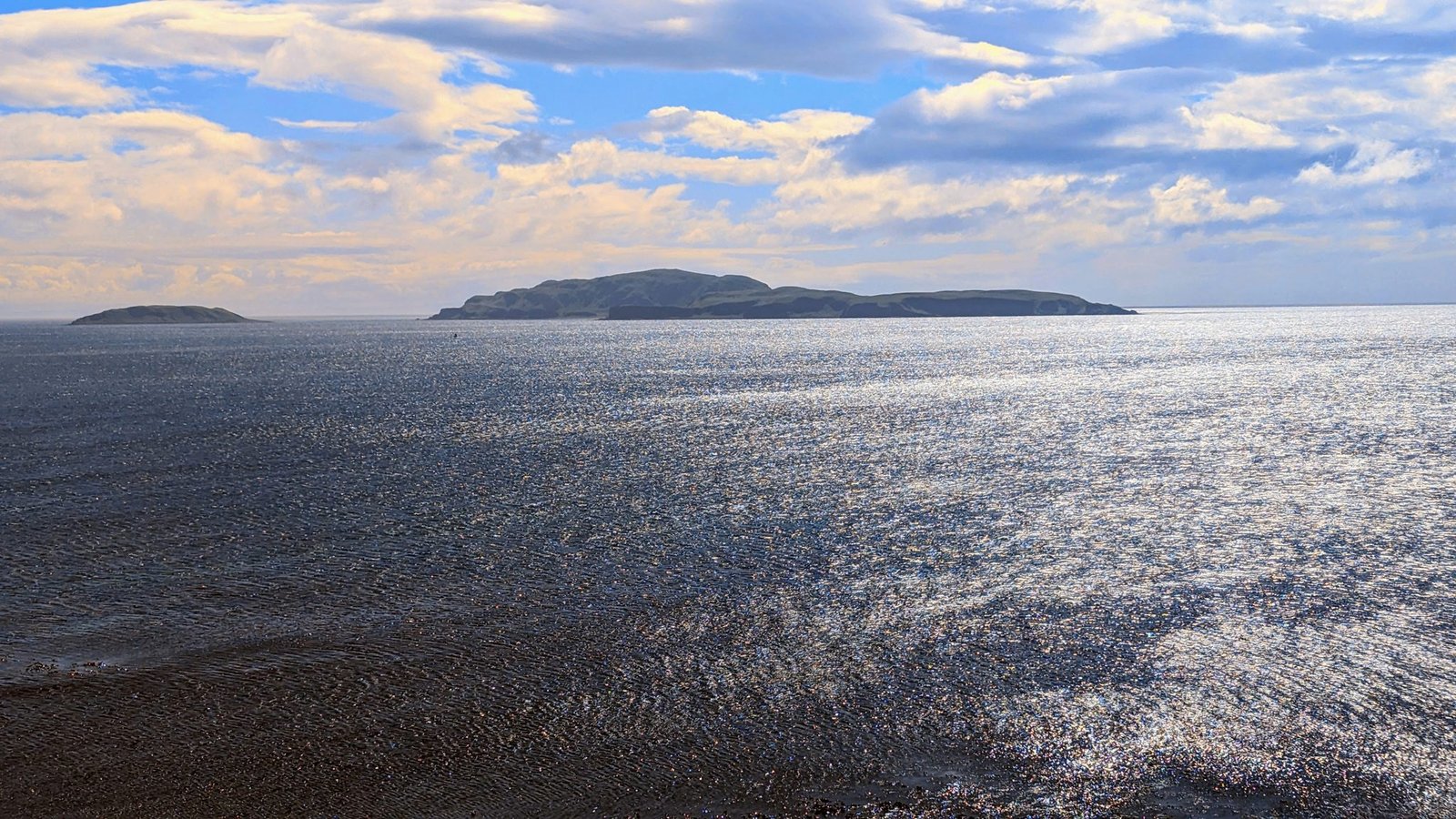
The big draw for us was simply being on the beach. There’s a long, clean sweep of sand (Brunerican / Machribeg) below the dunes, brilliant for long walks with the dog, with the old wartime lookout on the dunes and Sanda out to sea. We also climbed the hill behind the ruins of an old building near the village for the wider view over the whole southern tip (our route up is on the GPS map below). Easy, gorgeous, and blissfully quiet.
Keil Caves & St Columba’s
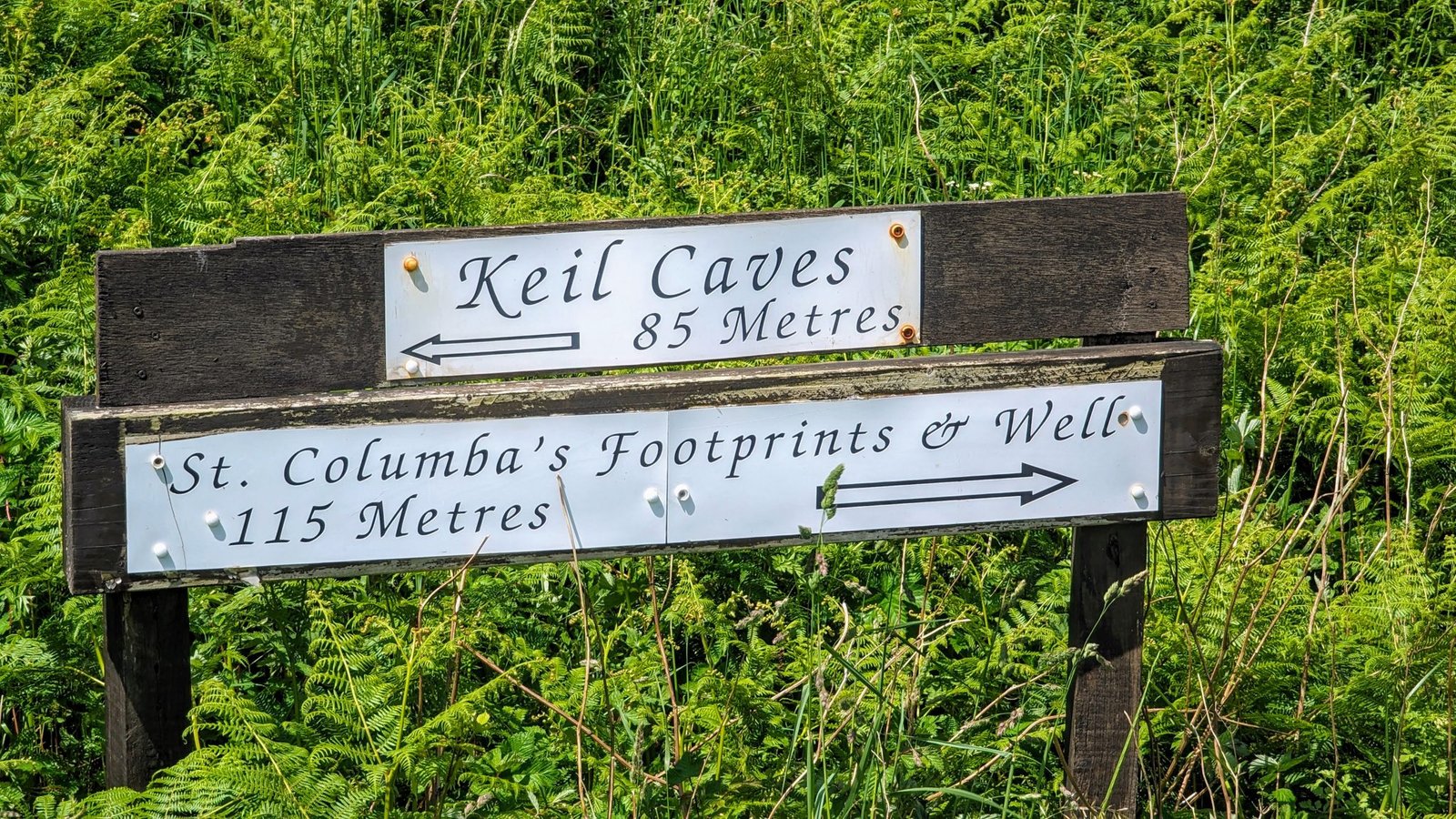
Just west, at Keil, are the St Columba’s footprints and chapel and the atmospheric Keil Caves — reputedly where St Columba first set foot in Scotland before Iona. Signed off the road, and an easy add-on. (There’s a fuller Keil & St Columba’s page — this is the neighbouring corner.)
A village tea room
Down in the village, the local shop doubles as a tea room — exactly what you want after a beach walk, with tea and home-baked scones. A proper wee community spot. [Kevin — is this Muneroy? I’ve left the name off until you confirm.]
Staying — free by the beach (we did 4 nights)
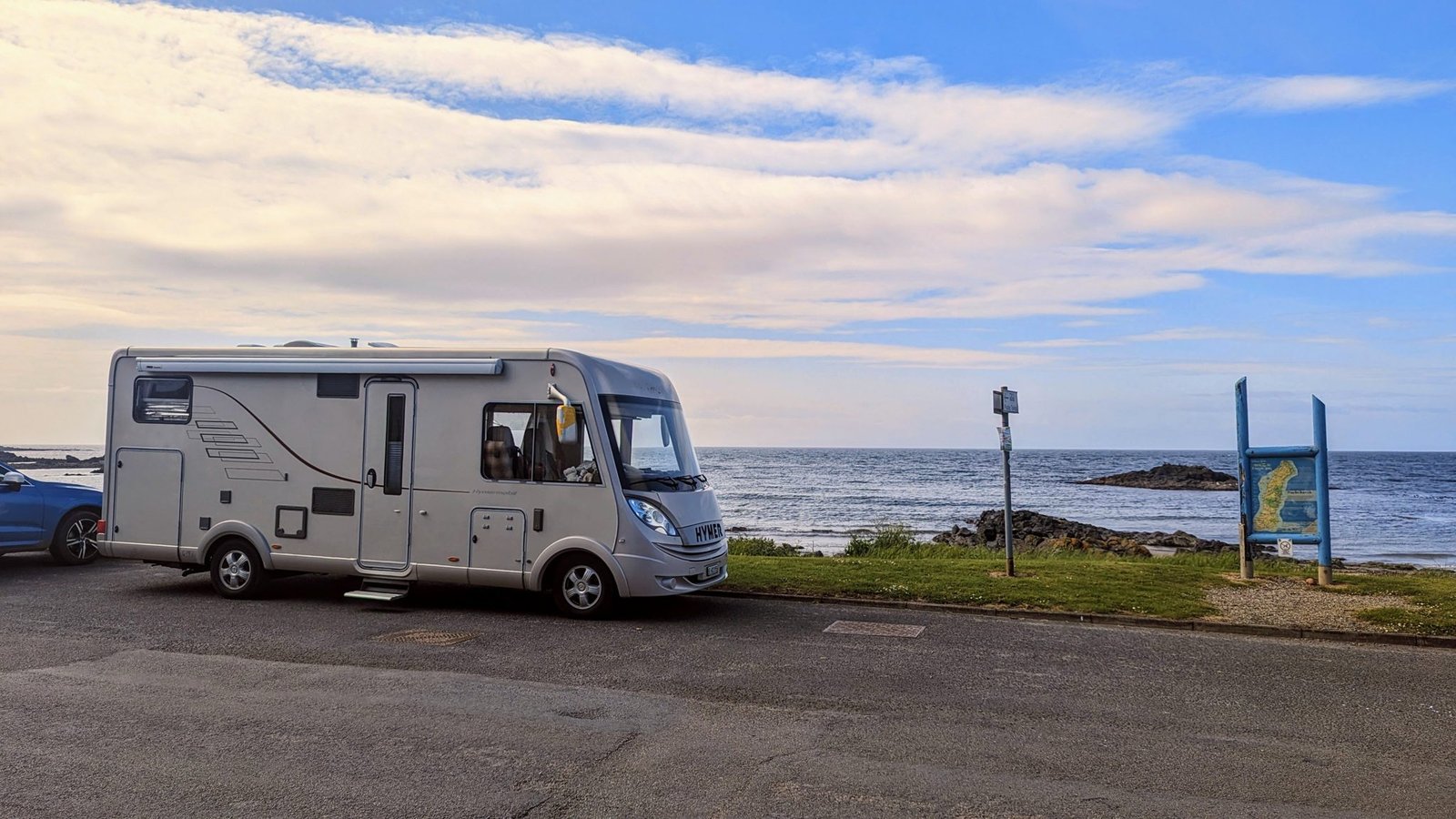
Here’s the good bit for van life: there’s one free car park, right next to the beach and the church, and we settled in there for about four nights — beach on the doorstep, walks straight from the door, and the village a stroll away. As ever, be considerate and tidy — quiet places stay good only if everyone treats them well. [Kevin — which vehicle, the 594?]
🗺️ Map — our Southend visit (from GPS)
Our recorded track (29–30 May 2024): the beach, Dunaverty Rock and the memorial, Keil, and the shore walks.
Best time to visit
Late spring to early autumn for the beach and the long light (our late-May visit was gorgeous). It’s exposed to the south and west, so it can be breezy — but that’s half the charm. Bring layers, and enjoy how quiet it stays even in season.
Combine it with
- Keil & St Columba’s — the neighbouring corner (caves, chapel, footprints, sunsets).
- The Mull of Kintyre — the famous headland and lighthouse road, west of here.
- Campbeltown — the town, the whisky and the harbour, 10 miles north.
- Sanda Island — offshore, seasonal trips (check locally).
Reality notes
- 🅿️ Parking/overnight: free car park by the beach & church — be tidy and considerate.
- 🏖️ Beach: big, clean, dog-friendly; mind tides and the exposed aspect.
- 🏰 Dunaverty Rock: unstaffed — steep, grassy and unfenced on top; sensible footwear and care.
- ☕ Tea room: in the village (check seasonal hours).
- 🐕 Dogs: brilliant — beach and hill (leads near livestock).
Sources
- On-site: 1647 Dunaverty Massacre Memorial board, Mid-Argyll & Kintyre Car Tour Trails (St Columba’s Chapel) board, and the Kintyre interpretation stone (Kevin’s photos)
- Dunaverty Castle — Wikipedia
- Southend, Kintyre — Wikipedia