CalMac Ferries: Scotland’s Ferry Crisis — and How to Plan Around It
Why this matters for your trip
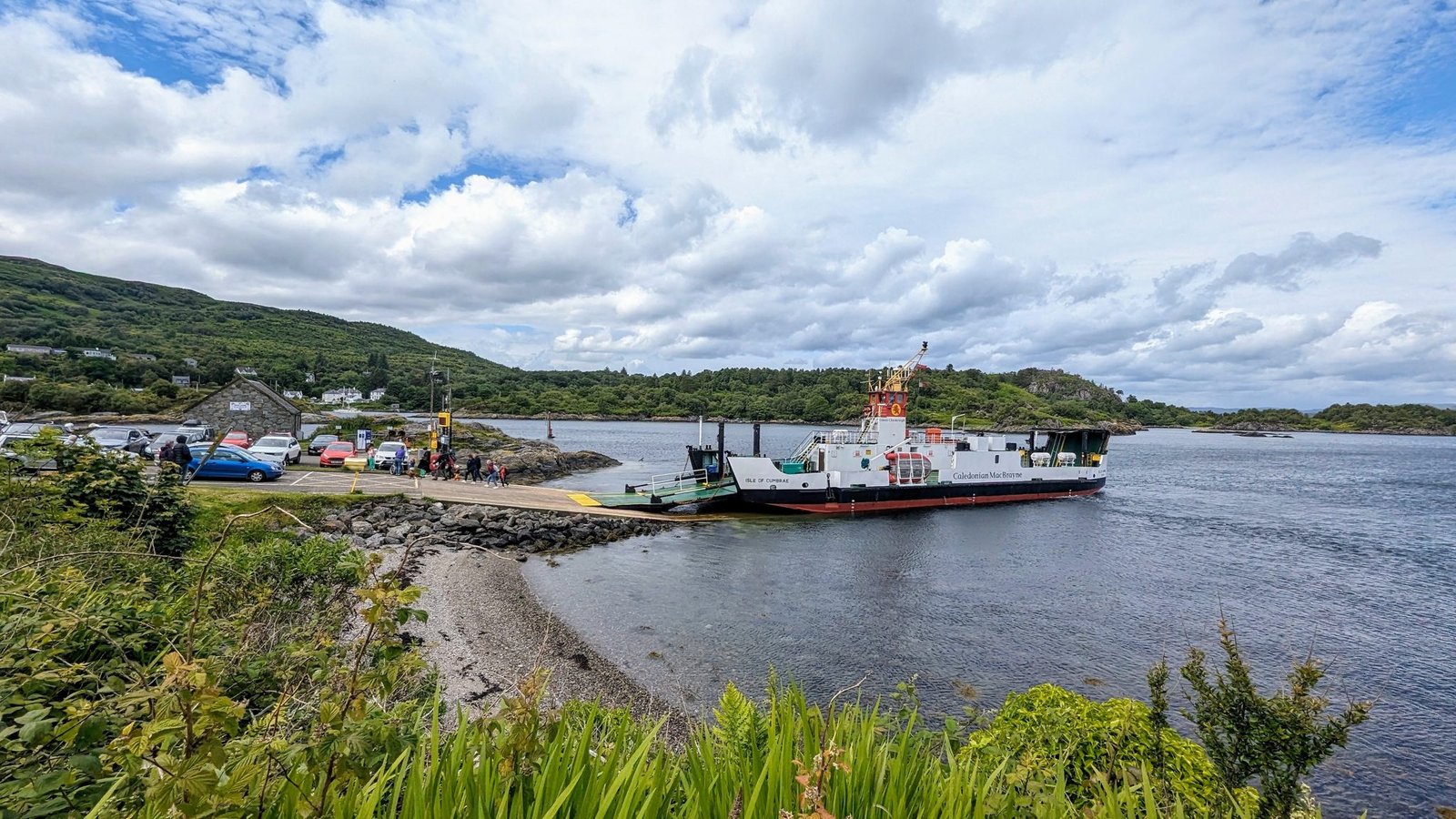
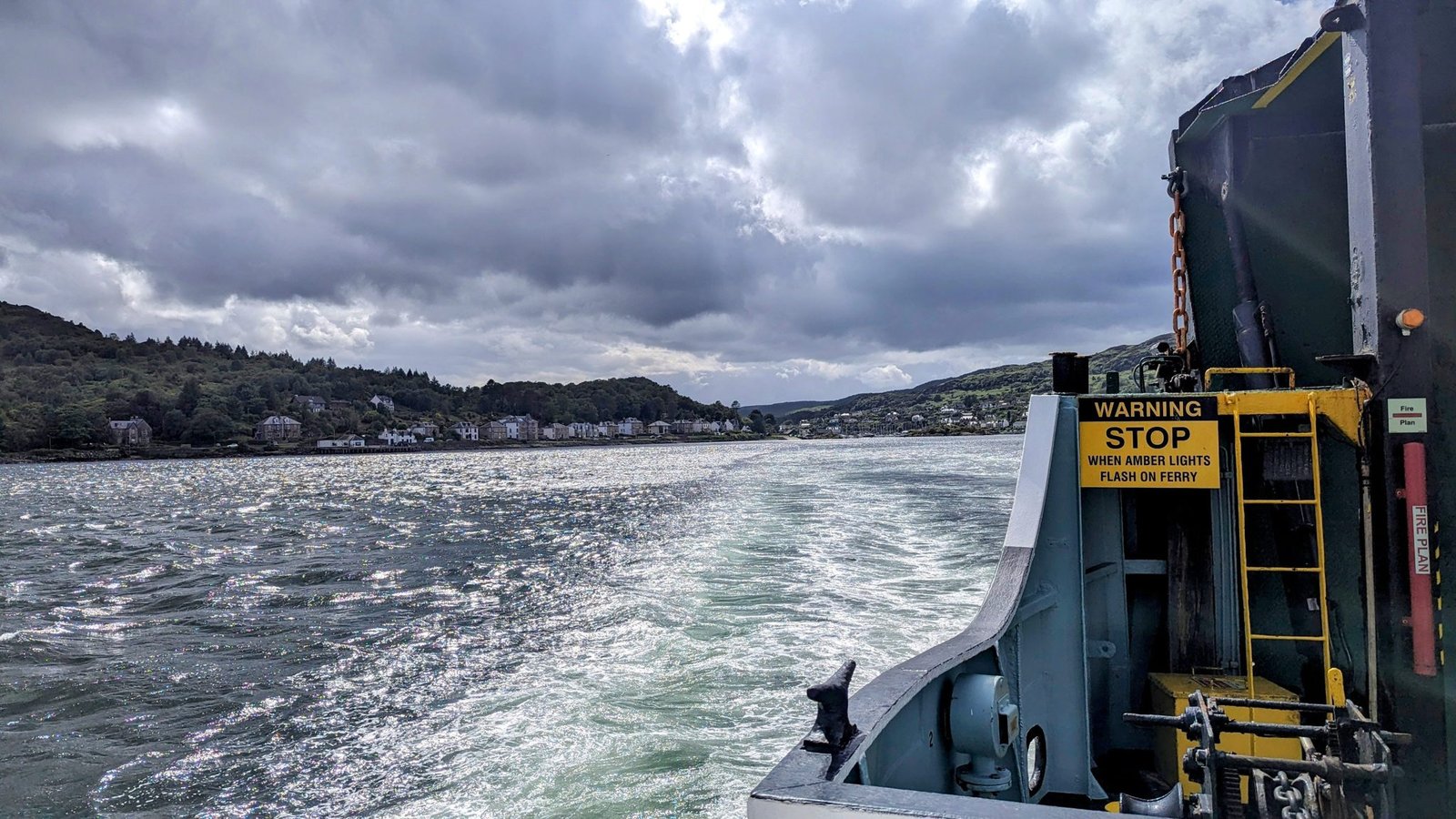
If your Scottish road trip includes any of the islands — Islay, Jura, Mull, Iona, Arran, the Hebrides — or the handy short hops like Tarbert–Portavadie or Ardrossan–Campbeltown, then CalMac (Caledonian MacBrayne) ferries are part of your plan. They’re genuine lifeline services. And for several years now, Scotland’s ferry network has been in a widely-reported crisis. It doesn’t need to wreck your trip — but you do need to plan around it. Here’s the honest lie of the land.
What’s actually gone wrong (the facts)
Two things, really:
1. An ageing fleet. Many of CalMac’s vessels are old and overdue for replacement. When one breaks down, boats get shuffled from other routes to cover — so a single failure can cascade into cancellations right across the network.
2. The new ferries — years late, hugely over budget. Two replacement ferries, Glen Sannox and Glen Rosa, were ordered from the Ferguson Marine shipyard in Port Glasgow in 2016 for about £97 million for the pair. It has gone badly:
- Glen Sannox was delivered around six-and-a-half years late (completed 2024, entering service in early 2025).
- Glen Rosa has been delayed roughly seven years, with its cost alone climbing to around £197.5m.
- The total for the two is now estimated at around £360 million — close to four times the original contract.
Setting the record straight — they’re not “electric.” You’ll often hear these called “the electric ferries,” but that’s a myth: Glen Sannox and Glen Rosa are dual-fuel, running on diesel and liquefied natural gas (LNG). In fact it was the novel LNG system that caused much of the delay — and Glen Sannox spent its first months running on diesel only while the gas system was sorted. (Scotland does have a separate plan for small electric ferries on short routes — but the famous fiasco is the LNG pair, not electric boats.)
This is a politically charged subject in Scotland, with plenty of blame to go around. We’re not here to take sides — just to give you the practical picture so you can plan.
What it means on the ground
- Summer cancellations and capacity crunches — popular routes book out, and disruptions can bunch up.
- Vehicle spaces are the pinch point — foot-passenger flexibility is much easier than getting a car or motorhome on at short notice.
- Knock-on effects — a problem on the Arran route can pull a boat off another route entirely.
How to plan around it (the useful bit)
- Book vehicle crossings as early as you can — especially in summer, and especially for the islands. Don’t turn up and hope.
- Check live status before you travel — CalMac publishes service status / disruption updates on its website and app. Look the night before and the morning of.
- Build slack into island itineraries — don’t plan a tight, unmissable connection off the back of a ferry. Leave a buffer day where it matters.
- Have a Plan B — know the alternative (a later sailing, a different port, or a land route). For Kintyre, remember you can always drive in via Loch Fyne rather than rely on the Campbeltown or Portavadie boats.
- Foot passengers win — if you can travel light and hire/rely on local transport on the island, you sidestep the vehicle-space lottery.
- Go in the shoulder seasons — May–June and September mean less pressure on sailings (and fewer midges, and better prices).
The routes this affects most (for Scottish Outposts trips)
- Ardrossan–Brodick (Arran) — the route the new Glen Sannox/Glen Rosa are for; the bellwether for the whole saga.
- Ardrossan–Campbeltown — the seasonal link into Kintyre (a “bonus” route, treat as such).
- Tarbert–Portavadie and Colintraive–Rhubodach (Bute) — short Argyll hops.
- Kennacraig–Islay/Jura, Oban–Mull/Coll/Tiree/Barra, Ullapool–Stornoway, and the wider Hebrides — book ahead.