
Kilmartin Glen: 5,000 Years of History, a Great Wee Pub & the Standing Stones
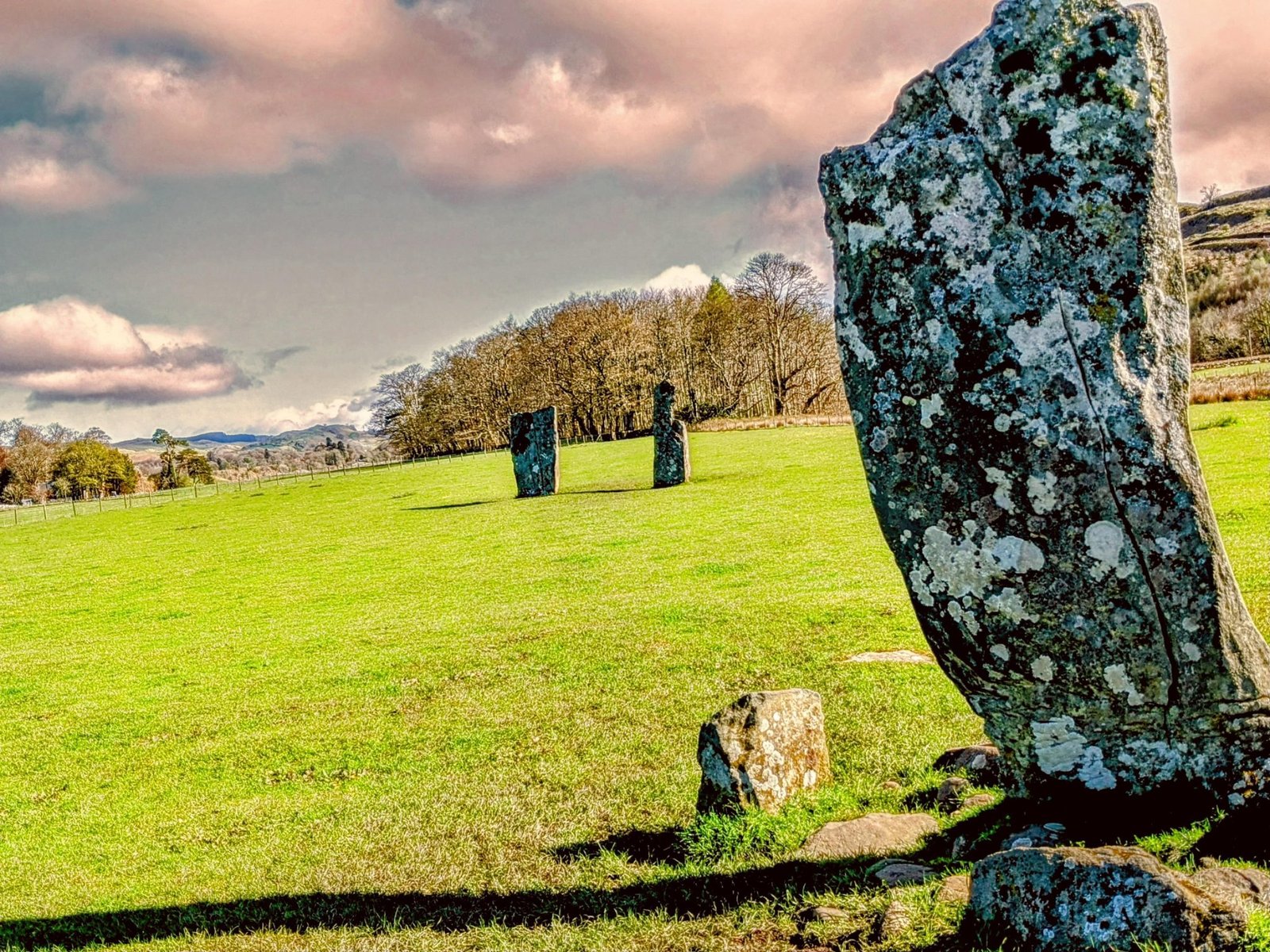
Overview — one of the most important valleys in Scotland
You could drive through Kilmartin Glen in five minutes and never know what you’d missed. This quiet mid-Argyll valley holds one of the richest concentrations of prehistoric and early-historic monuments anywhere in mainland Britain — hundreds of ancient sites within a few miles: Bronze Age burial cairns strung out in a line down the glen, standing stones, stone circles, rock carvings, a chambered tomb you can walk into, and — just south — Dunadd, the hillfort capital of the ancient kingdom of Dál Riata. Add a superb little museum, a lovely old church full of carved medieval stones, and a genuinely good village pub, and you’ve got one of our favourite stops in all of Argyll. We’ve been twice now, and walked the whole cemetery line — and we’ll go back.
Where it is (and where on the route)
Kilmartin village sits in mid-Argyll, on the A816 between Lochgilphead and Oban, just north of the Crinan Canal. It’s a natural Stage 3 (Mid-Argyll) stop on the Argyll Coastal Route, pairing beautifully with the Crinan Canal & Ardrishaig just down the road. (Route stage provisional — I’ll lock it once the mid-Argyll leg is set.)
The linear cemetery & standing stones — the walk
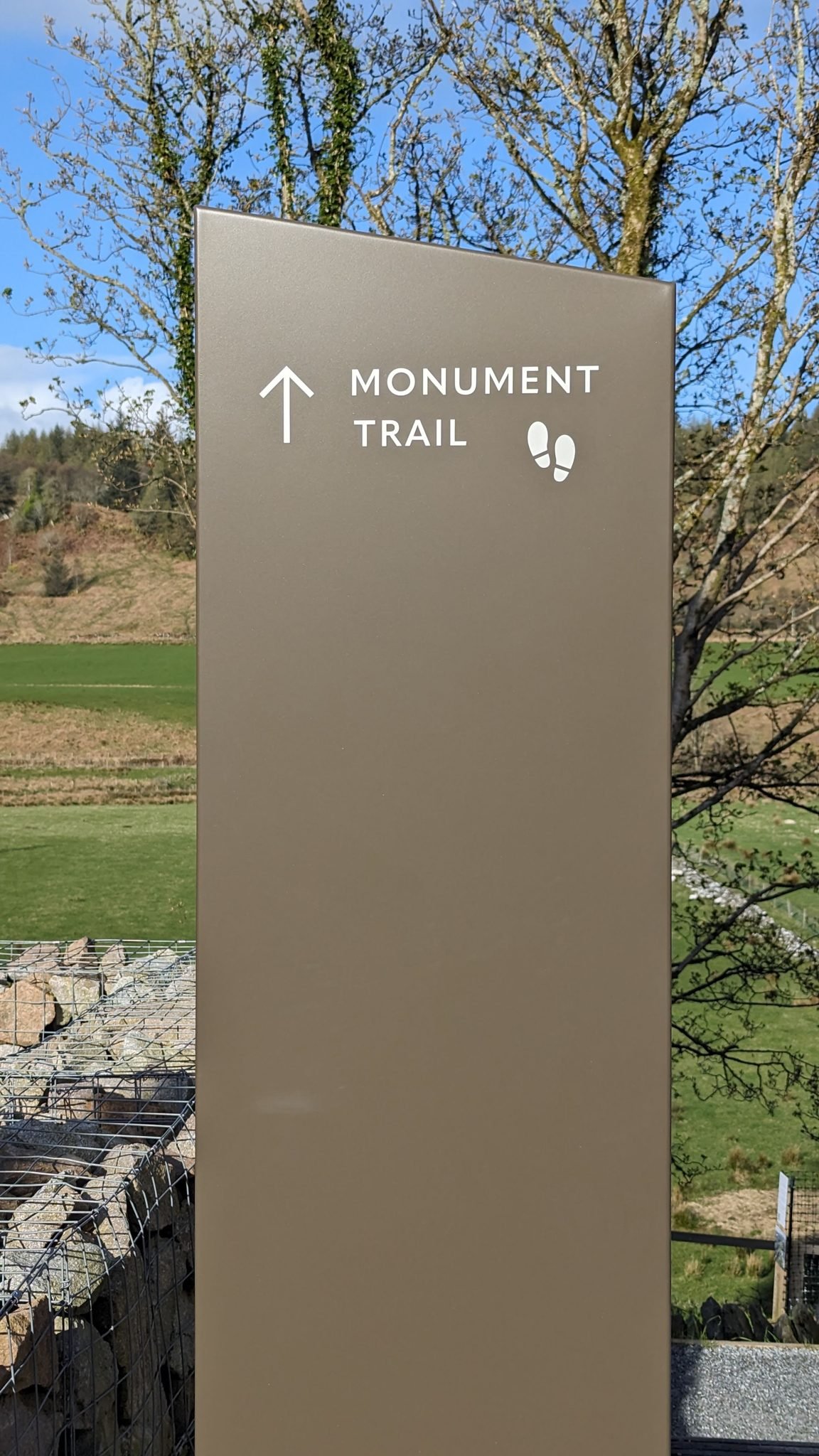
The heart of it is the “linear cemetery” — a remarkable line of burial cairns running south down the glen from Kilmartin village, built and reused across the Neolithic and Bronze Age. You can walk the whole line on the waymarked Monument Trail (as we did), taking in:
- Nether Largie cairns (North, Mid & South) — including Nether Largie South, a Neolithic chambered tomb you can actually go inside.
- The Nether Largie standing stones — a dramatic setting of tall stones (some carrying prehistoric cup-and-ring marks).
- Temple Wood — two stone circles, one Neolithic, used for thousands of years.
It’s mostly flat, easy field-and-path walking, gate to gate, with interpretation boards along the way. Wear something for wet grass, and give yourself a half-day to do it justice.
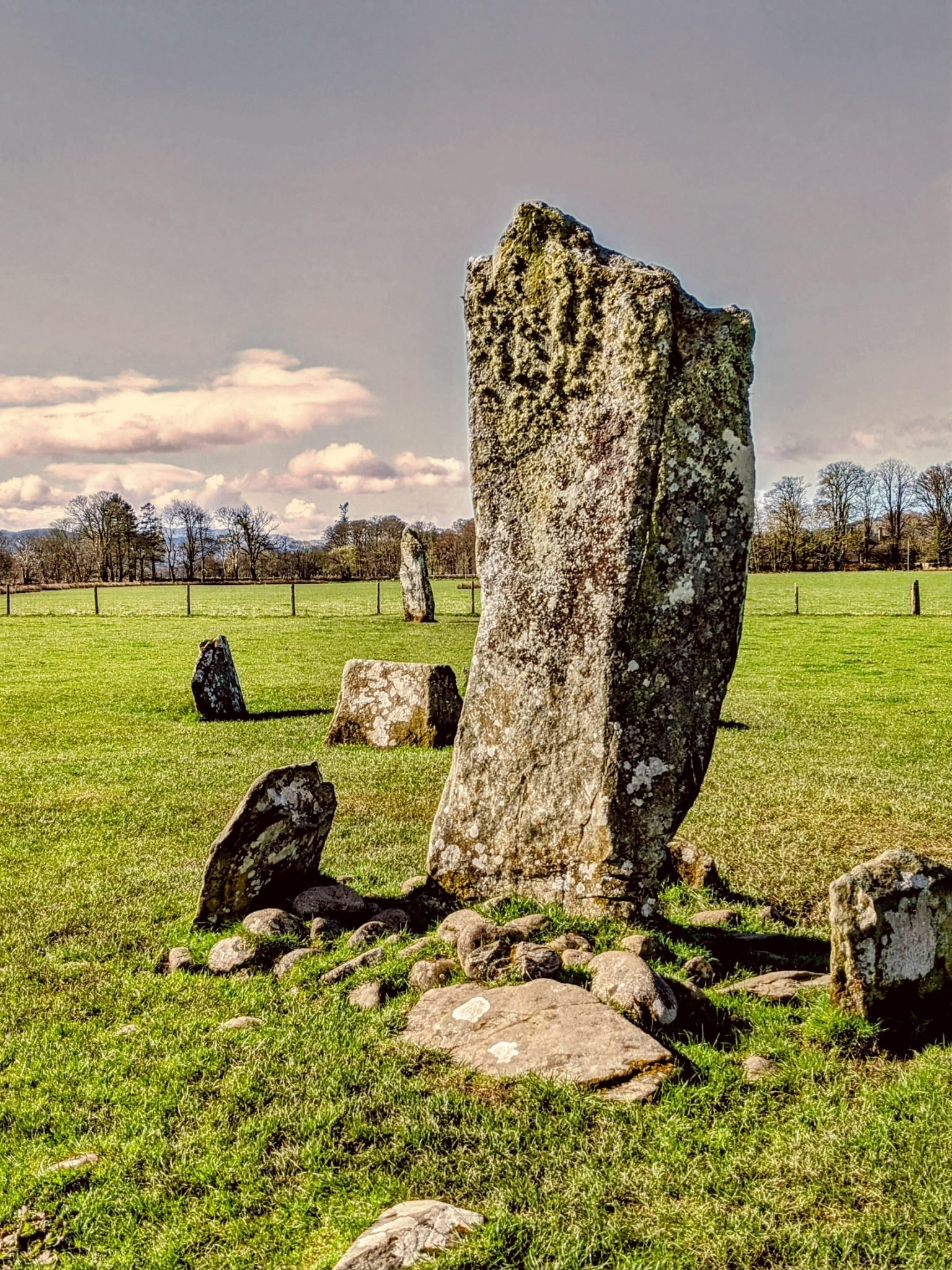
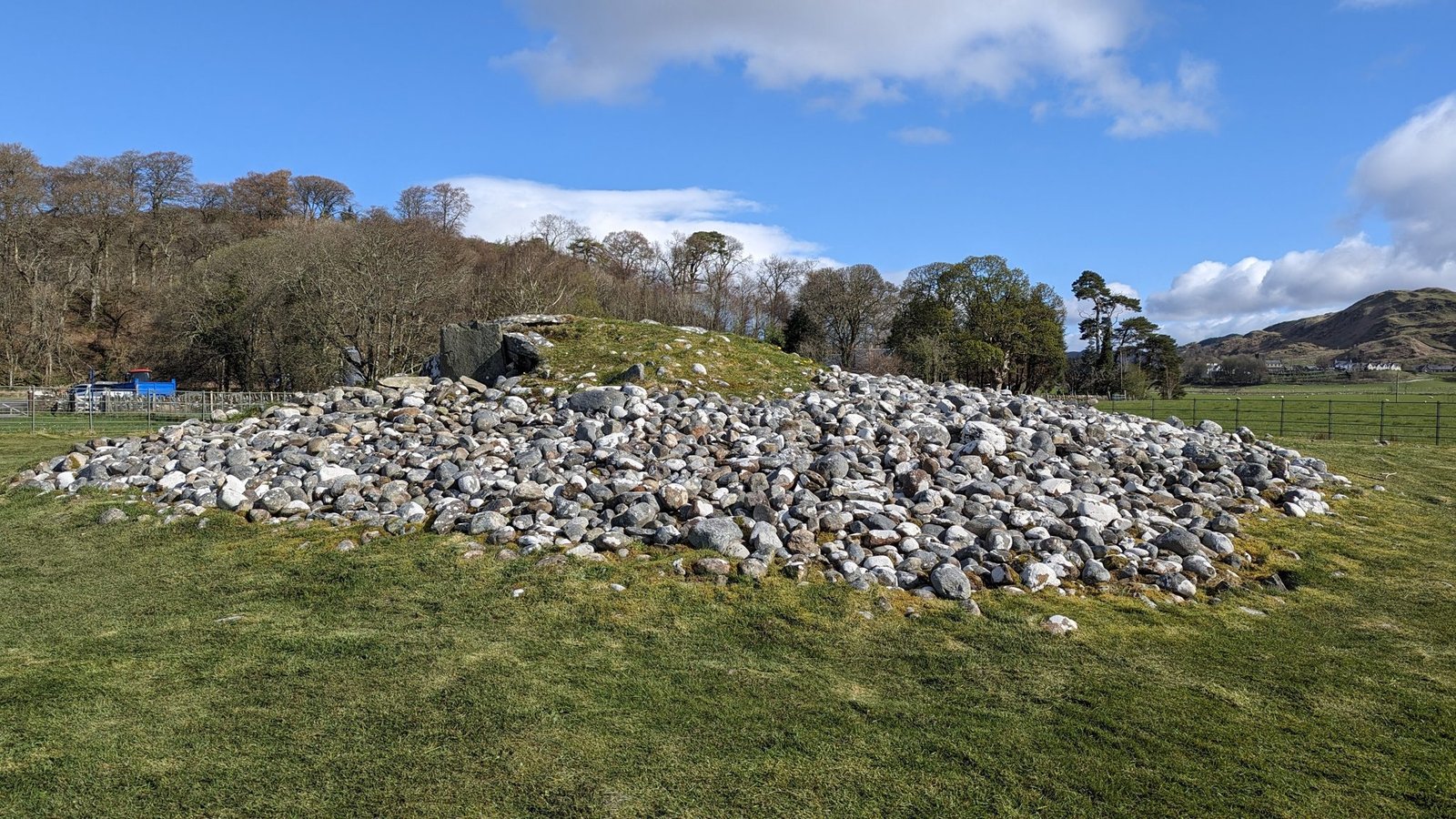
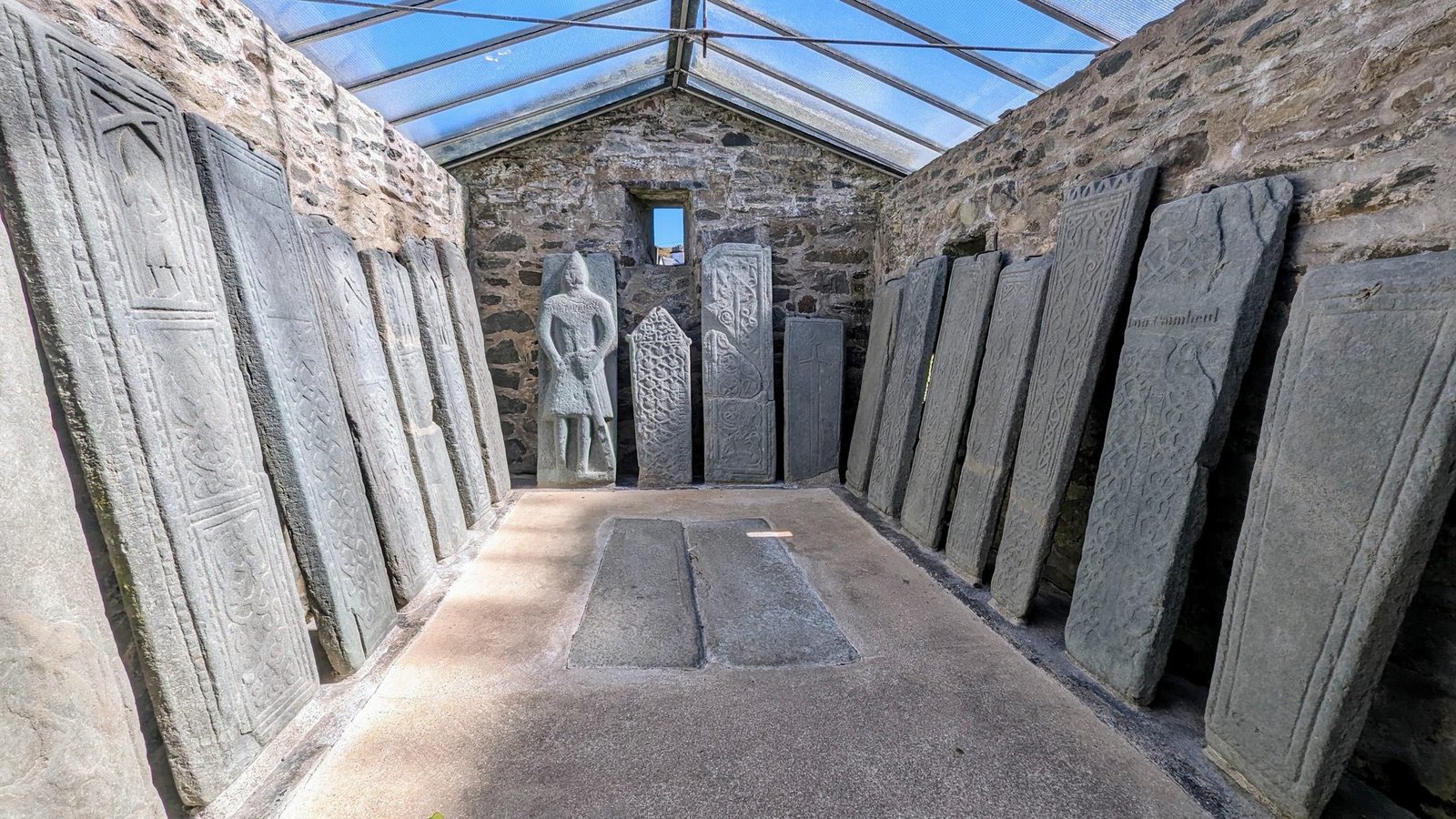
🗺️ Map — our Kilmartin monument walk (from GPS)
Our recorded track (mainly 16 April 2024): from Kilmartin village south down the linear cemetery — the cairns, the standing stones and Temple Wood.
Kilmartin church & the carved stones
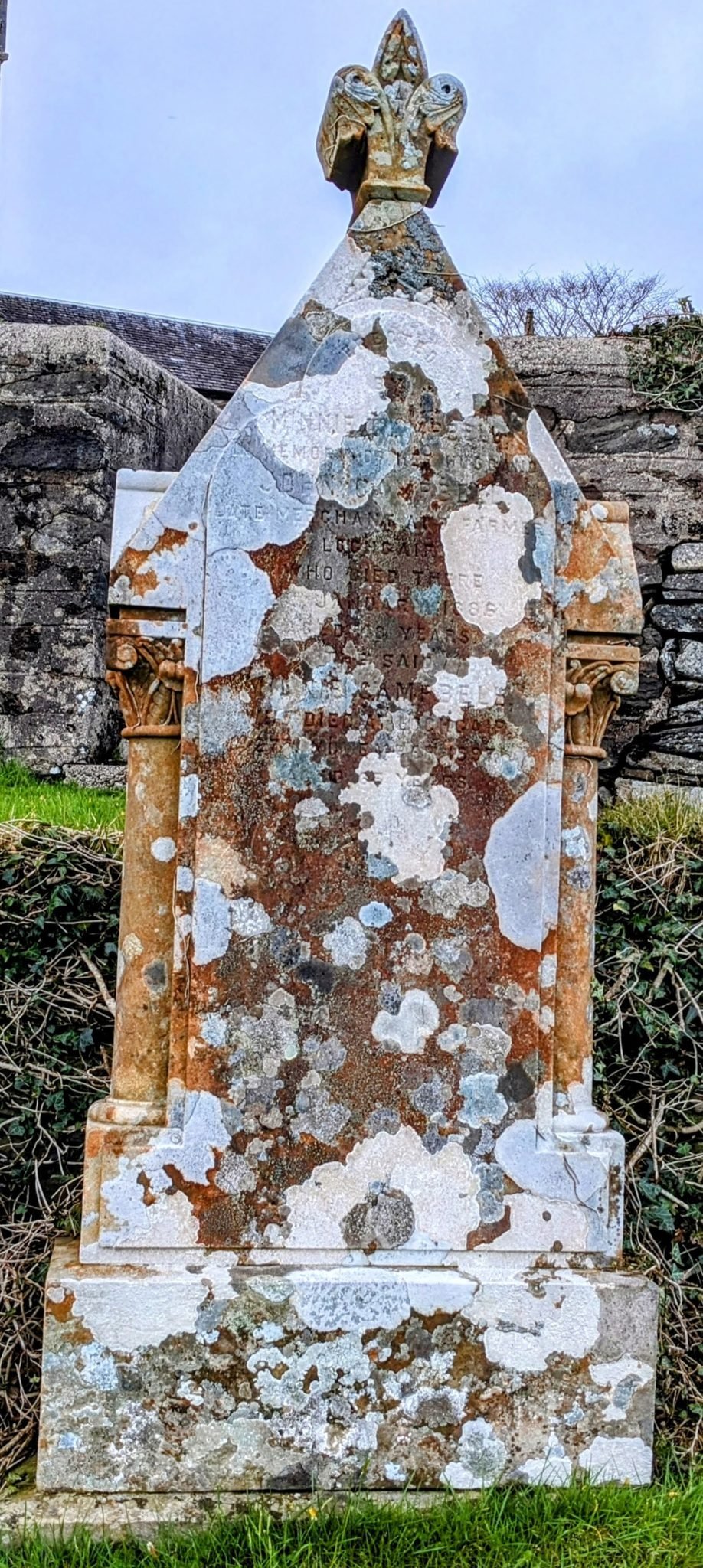
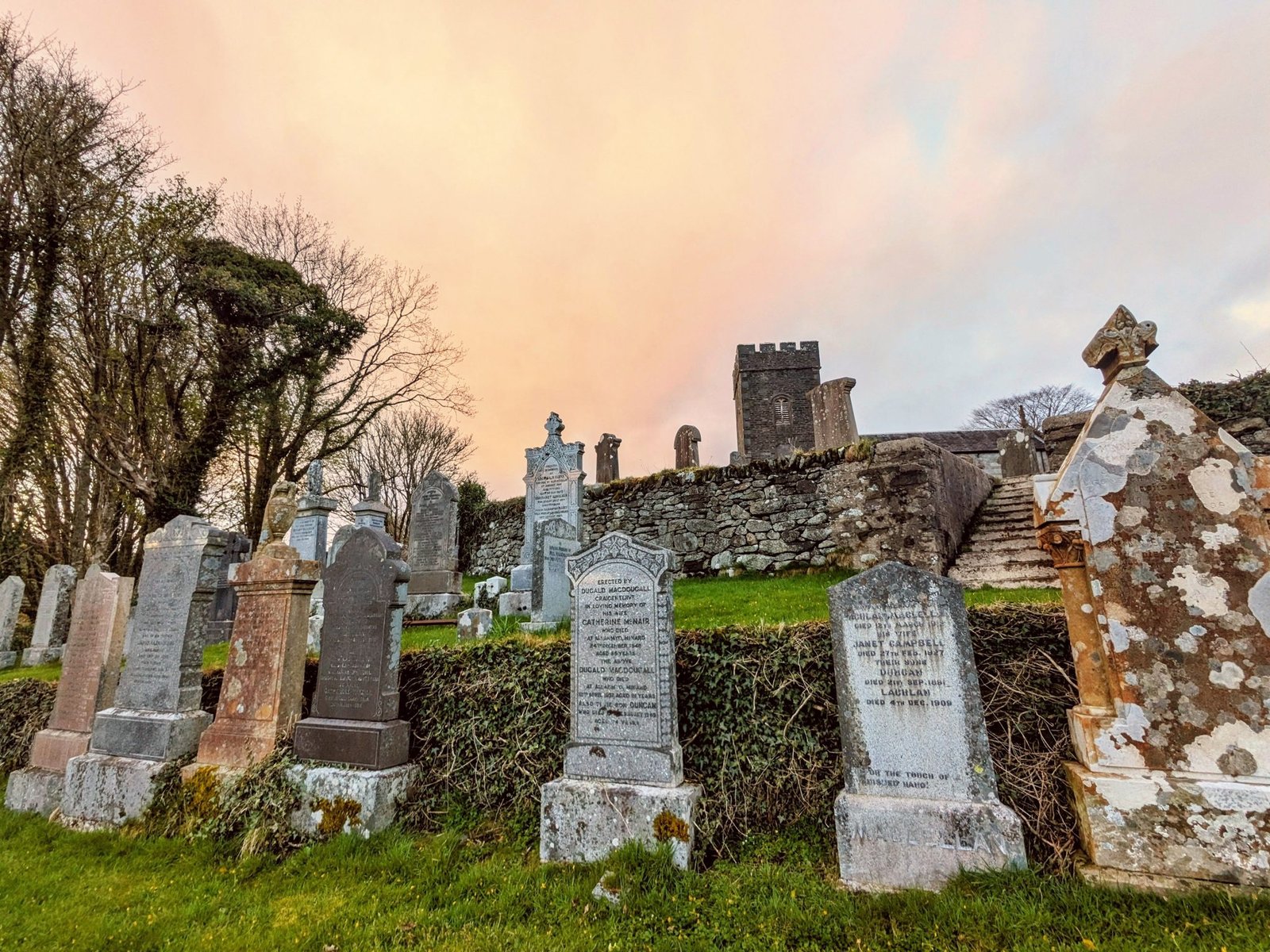
In Kilmartin village, the parish church and its graveyard are worth a wander in their own right: a collection of beautifully carved medieval grave slabs (the “Kilmartin stones”), early Christian crosses, and atmospheric old headstones — lovely in the low evening light.
Kilmartin Museum
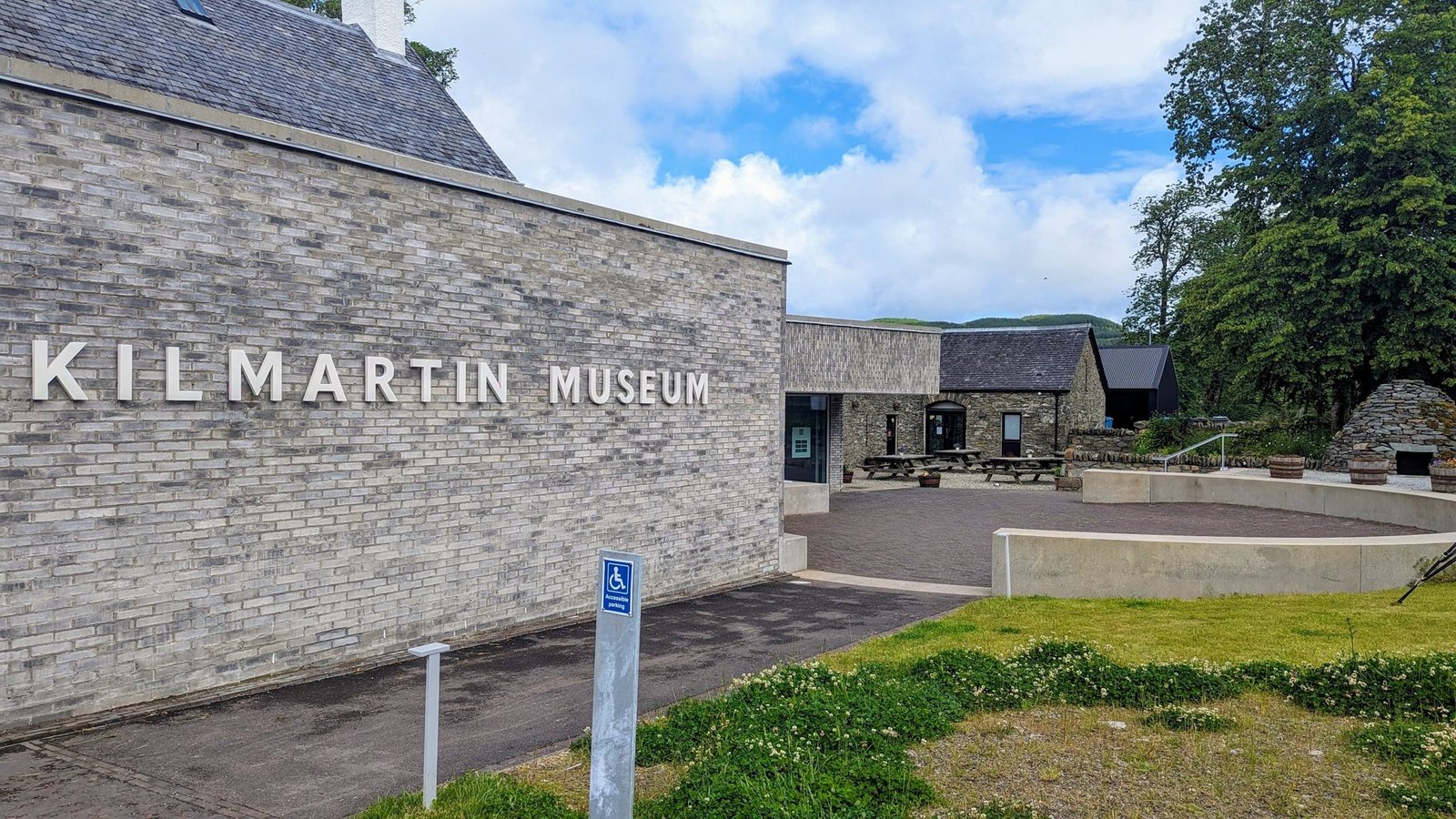
The excellent Kilmartin Museum in the village is the key to the whole glen — it reopened in 2023 after a major redevelopment, and it puts the stones, cairns and Dál Riata story into context (plus a café and shop). Well worth an hour before or after the walk. [Kevin — did you go in, and how was it? I’ve kept it factual for now.]
The pub — the Kilmartin Hotel
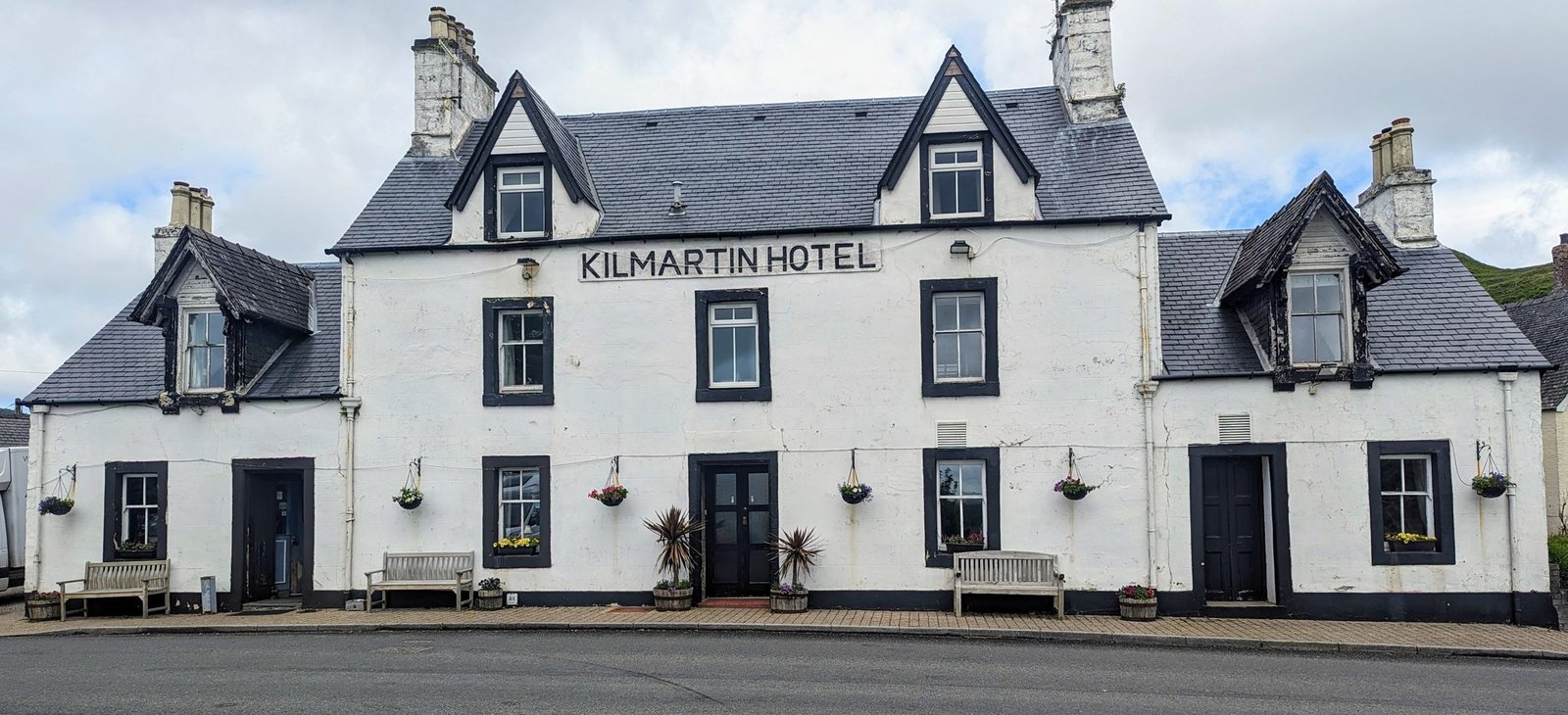
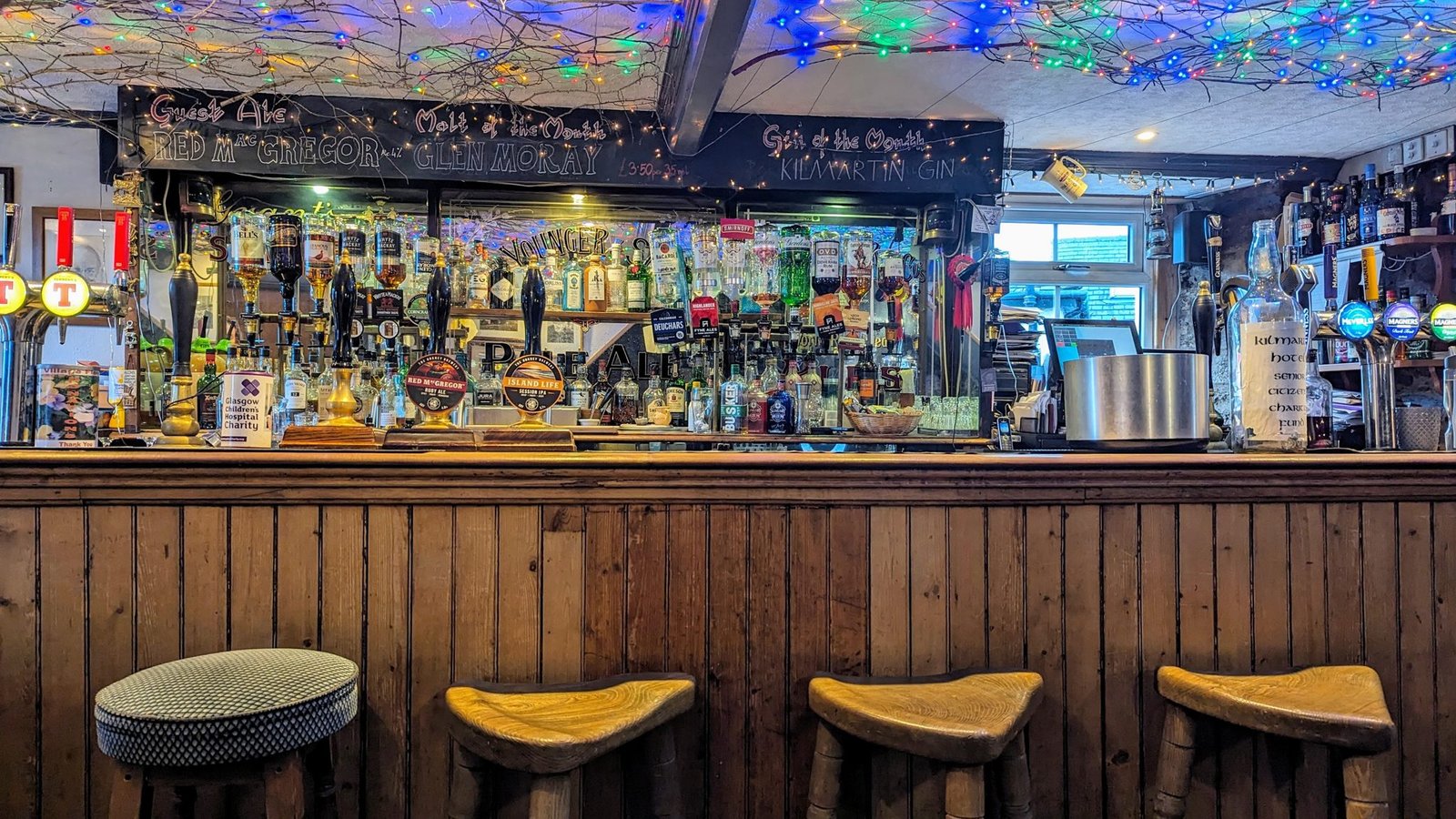
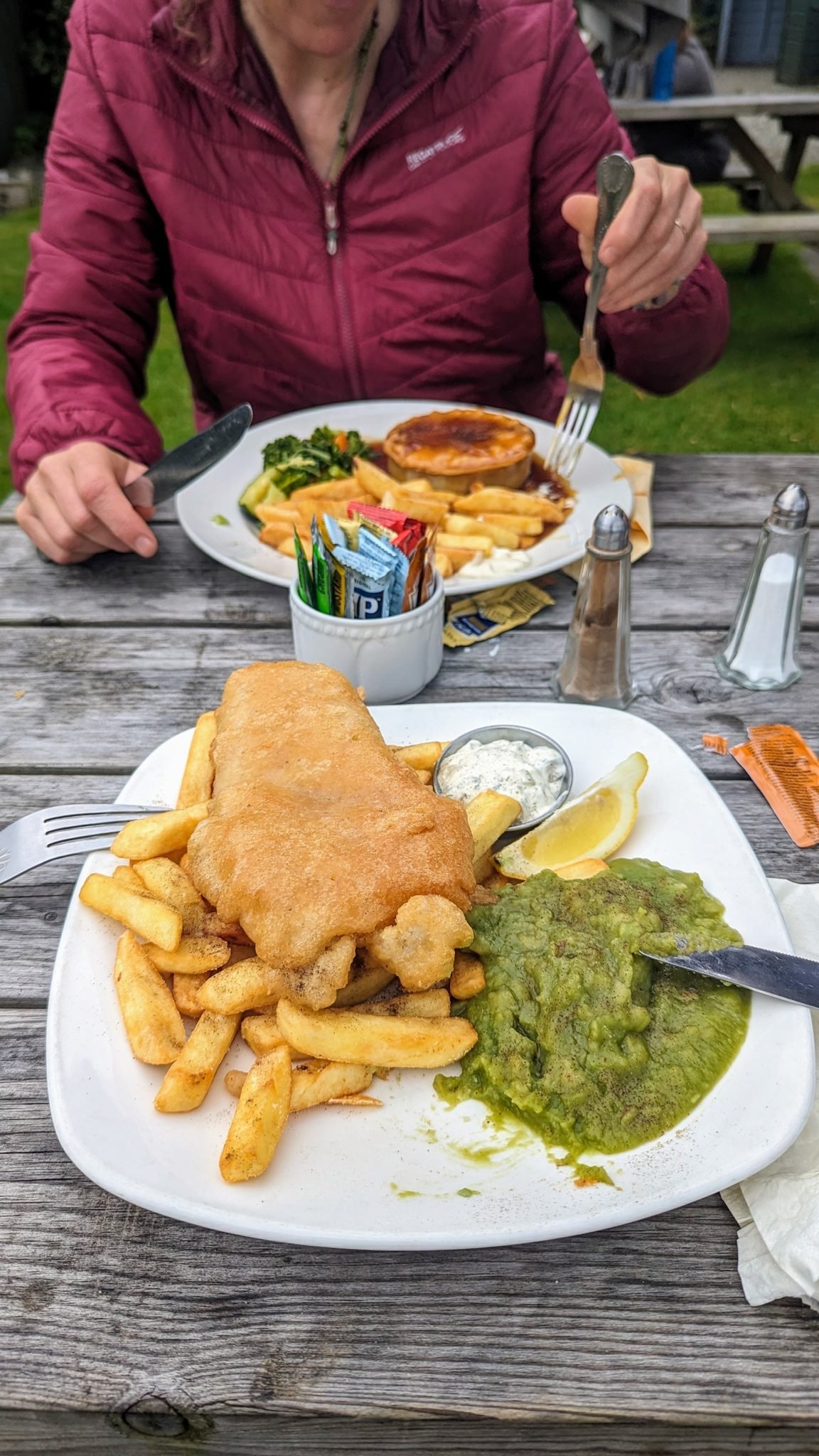
Right in the village, the Kilmartin Hotel is a cracking wee pub — a proper old coaching inn with a warm bar, and food that hit the spot on both our visits (a good dinner one time, and fish and chips another). Exactly what you want after a day among the stones. [Kevin — any dish/drink worth naming, and did you stay in the hotel or just eat/drink?]
Staying overnight (be discreet)
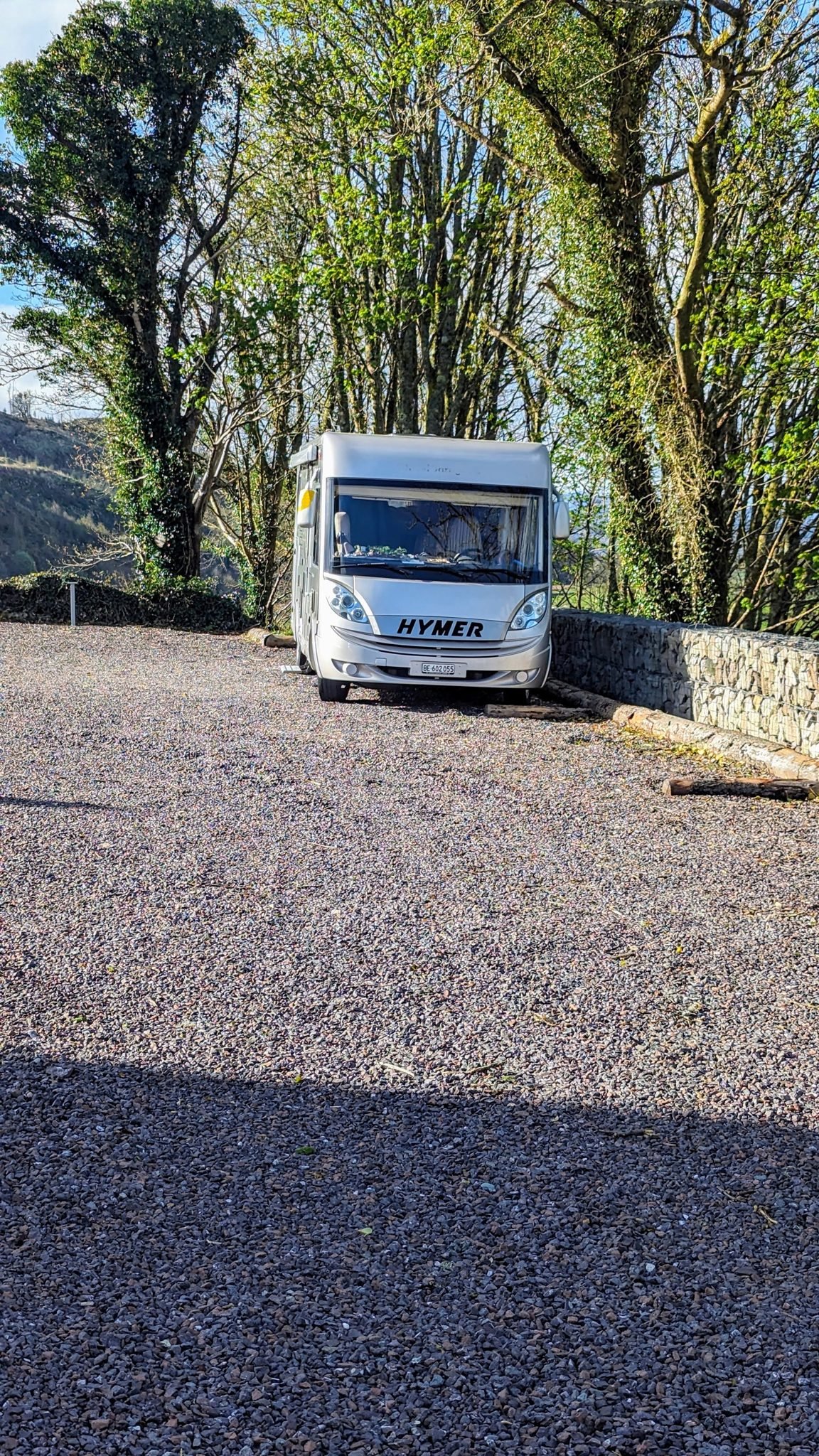
There’s no campsite in the village, but a simple overnight is doable in the motorhome if you’re low-key about it — arrive late, keep it tidy, take everything away, don’t put anyone’s back up, and be gone early. We managed a quiet, discreet night here with no bother. Done considerately it’s fine; done thoughtlessly it spoils it for the next van, so please keep it respectful. [Kevin — how explicit do you want to be about the exact spot? I’ve deliberately kept it vague so we don’t get a good place shut down. Tell me your call.]
Best time to visit
Spring to autumn for the walk and the long light; the standing stones are magic in early morning or evening sun (worth staying over for). The museum and pub take the edge off any weather. It can be boggy underfoot after rain, and midges show up on still summer evenings.
Combine it with
- Crinan Canal & Ardrishaig — Britain’s prettiest shortcut, just south.
- Dunadd Fort — the hillfort capital of Dál Riata, a few miles south (climb to the carved inauguration footprint). [Kevin — did we do Dunadd? No photos in this set — worth its own mini-page if so.]
- Rock art at Achnabreck / Cairnbaan — some of Britain’s best cup-and-ring carvings, near Lochgilphead.
- Oban — up the A816 for the ferries and the seafood.
Reality notes
- 🚶 The walk: mostly flat field-and-path, gates and boards; wet grass likely — decent footwear.
- 🏺 The sites: open, free, unstaffed (museum is ticketed) — treat the monuments gently, keep dogs off the cairns.
- 🚐 Overnight: no campsite in the village — discreet only, and responsibly.
- 🦟 Midges: possible on still summer evenings.
- 🐕 Dogs: great day out for them (leads near livestock and the monuments).
Sources
- On-site: Nether Largie cairn and Monument Trail interpretation boards, and the site signs (Kevin’s photos)
- Kilmartin Glen — Historic Environment Scotland
- Kilmartin Museum
- Kilmartin Glen — Wikipedia